


serious games
In our serious game development, we make bespoke games that excel at getting people deeply engaged in a low-stakes environment. All our games are created with interaction front and centre. This makes play a great way to share knowledge, perspectives, and experiences for achieving collaborative learning, increasing know-how, and developing teamwork.
We usually categorize serious games based on their main purpose - training, data extraction, self-assessment, or governance. The different purposes are used to showcase what games can be used for, but they can also be mixed and matched within a single game.
Facilitation is key to great play, especially so for games that focus heavily on collaboration. We can both provide the facilitation needed and train others on how to facilitate our games alone.
Samples from our library
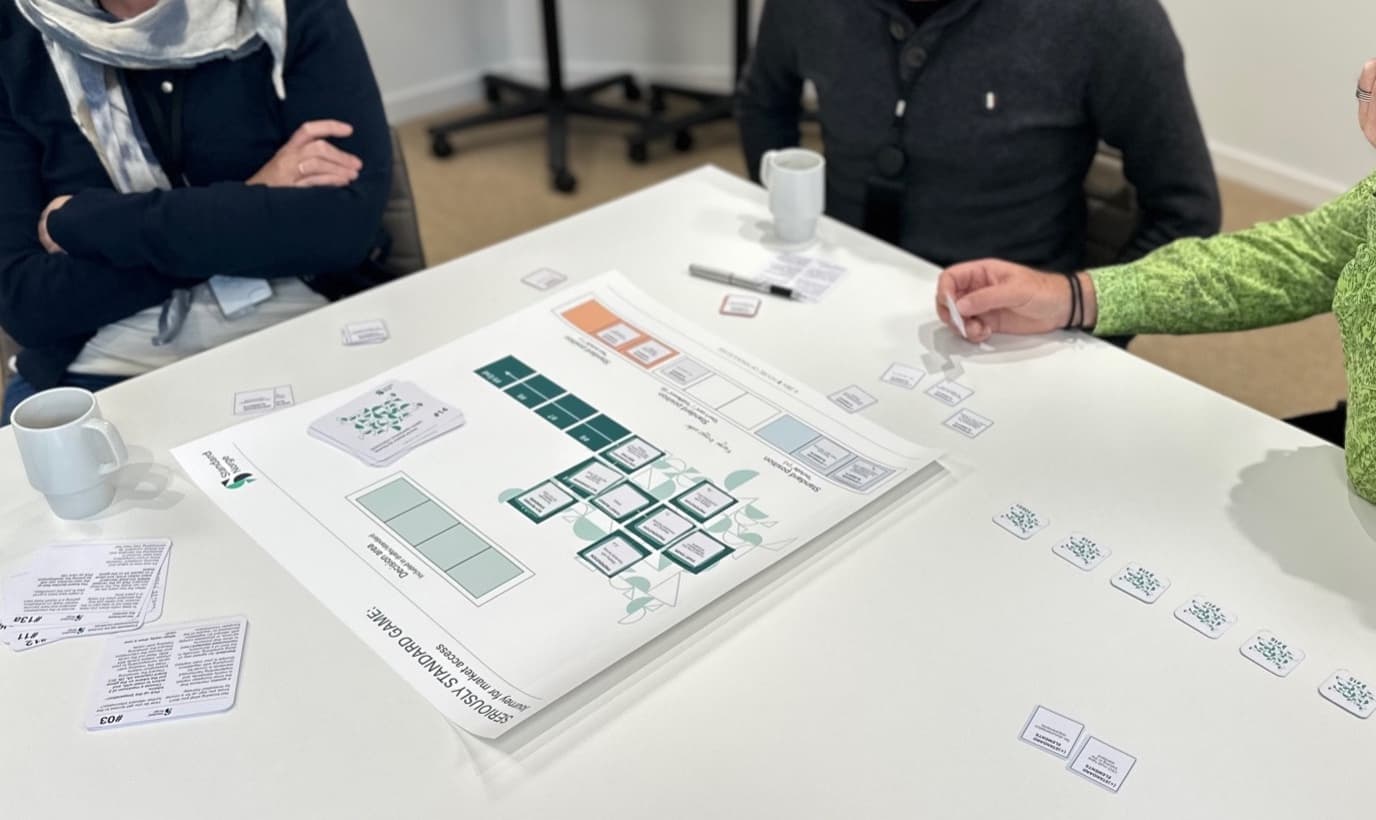
Seriously Standard Game
This board game shows players what it is like to take part in a standardization process, focusing on how they can exert influence and impact the development process in all its stages. This provides insight into the benefits of participating in standards development and how consensus around standard content is achieved. In the game, players first choose a company and market to take on, before they discuss the benefits of a fictitious standard for their selected context. Then, players join either a national mirror committee or an international working group, aiming to champion the needs of their industry during the process of development. There are several variants of this game available, including a more advanced variant wherein players must engage in consensus building with their peers. In the end, players gain an increased awareness of how standards are made, what it takes to participate in the process, and how they can benefit from it.
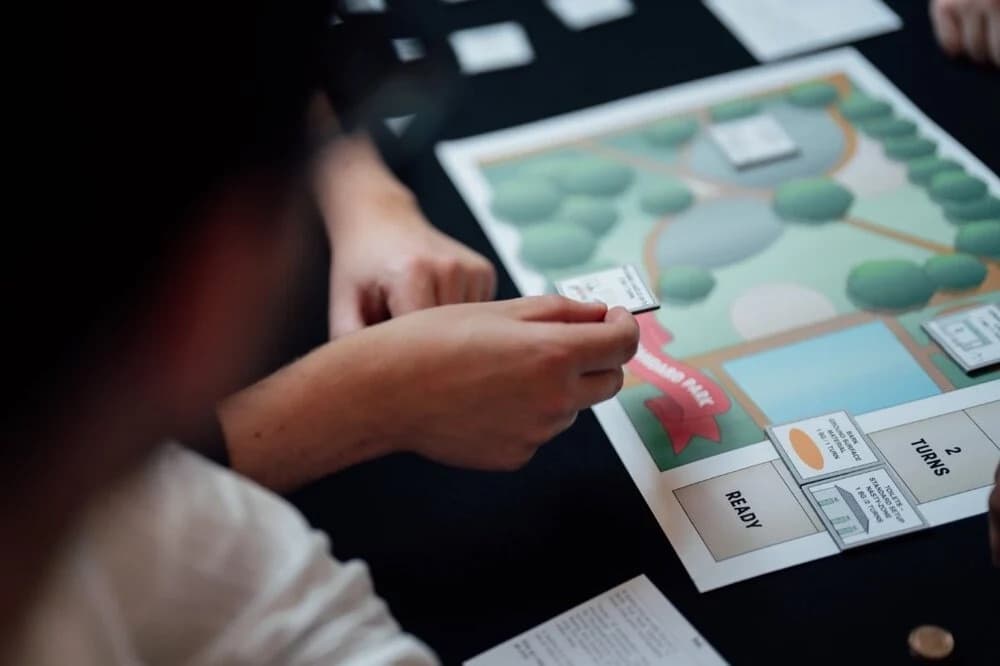
Standard Park
This game acts as an introduction to standards and standardization for participants that have had no or very little prior experience with the topic. It is a board game driven by the drawing of cards, in which players get to see the benefit of both applying standards and in participating in a standardization process. The narrative of the game follows a company that is hired by their city’s mayor’s office to construct a playground, encountering some common standards-related hurdles and opportunities along the way. Main learning objectives for this game is that engaging in the use and development of standards represents a vast array of opportunities for businesses.
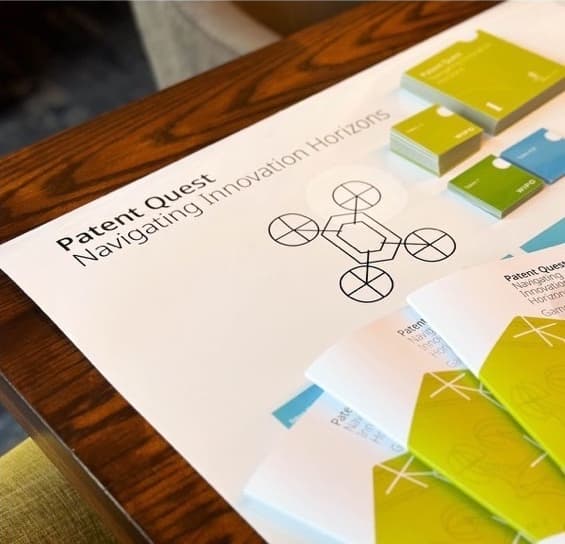
Patent Quest: Navigating Innovation Horizons
This board game is all about patent analytics and patent landscape reports (PLR) and the use of patent data to support business decision making. This is an introductory game, wherein players get familiarized with the steps of the PLR process step-by-step. The story of the game, presented in a deck of cards, follows a business that wishes to tap into patent databases to support their business decisions. Throughout the game, players must make choices regarding what to include (e.g., scope, keywords) and what order to do steps in (e.g., data cleaning, quality control) – and are guided towards the correct path by the game. The learning objectives of the game are to understand why and how patent analytics matter to business performance and what conducting a PLR entails, briefly. This game is supported by a game booklet with more information on the topics covered for the players to use during play.
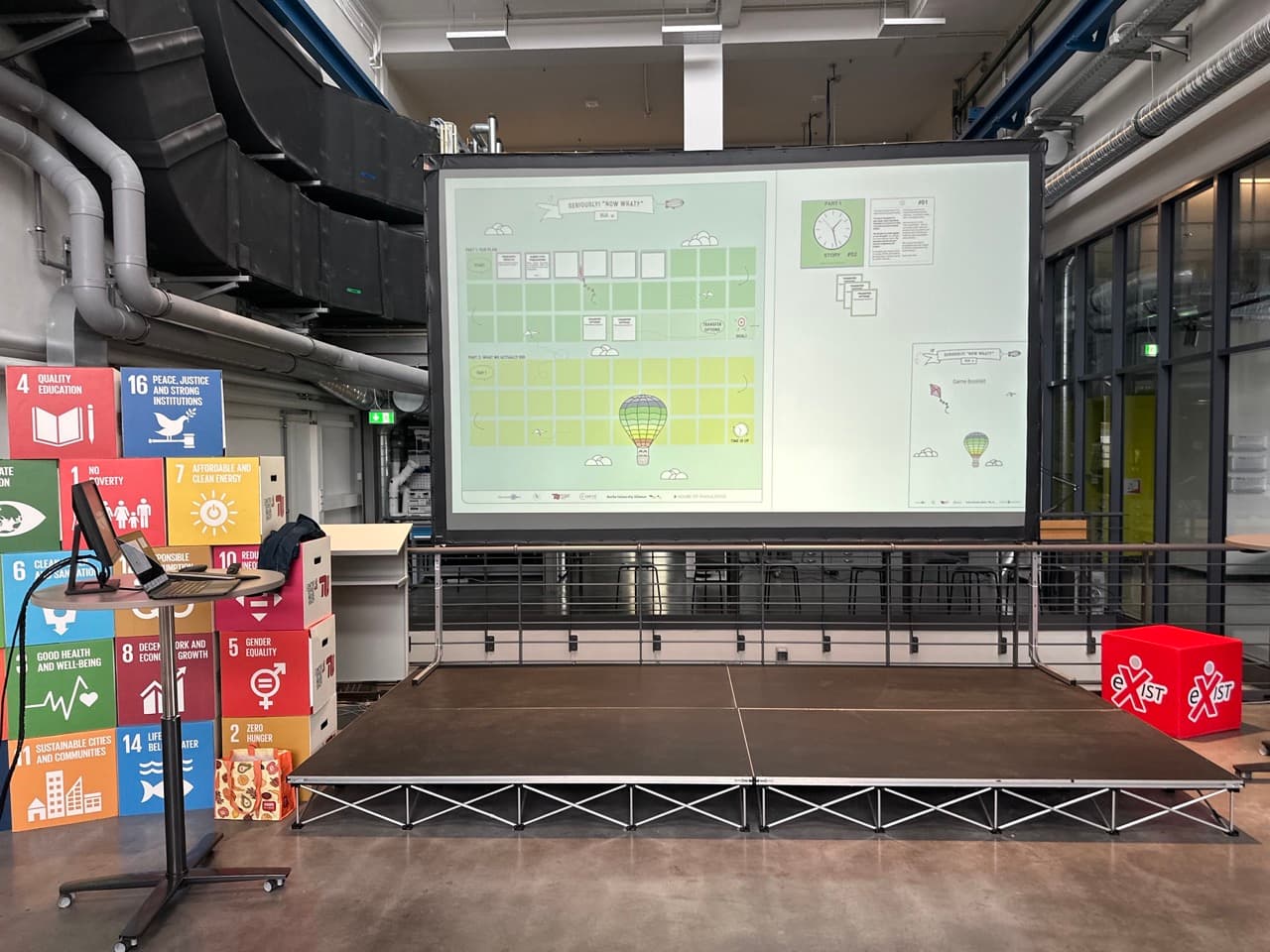
Seriously! Now what?
This board game guides players through what to do when they have research results that can be commercialized or otherwise elaborated upon outside of academia. It provides insight into the intricacies of some common exploitation routes (licensing, starting a business, publication, etc.) as well as how to handle relationships with partners, universities, consortia, etc. Players first map out a proposed process, how they think they will exploit their results, before moving on to playing though the process. In this second part, they also encounter some of the hurdles commonly associated with exploiting research through the narrative of the game and must decide collaboratively which order to do everything in. In the end, players gain an increased awareness of the complexity of navigating the process and the importance of doing things in the right order.
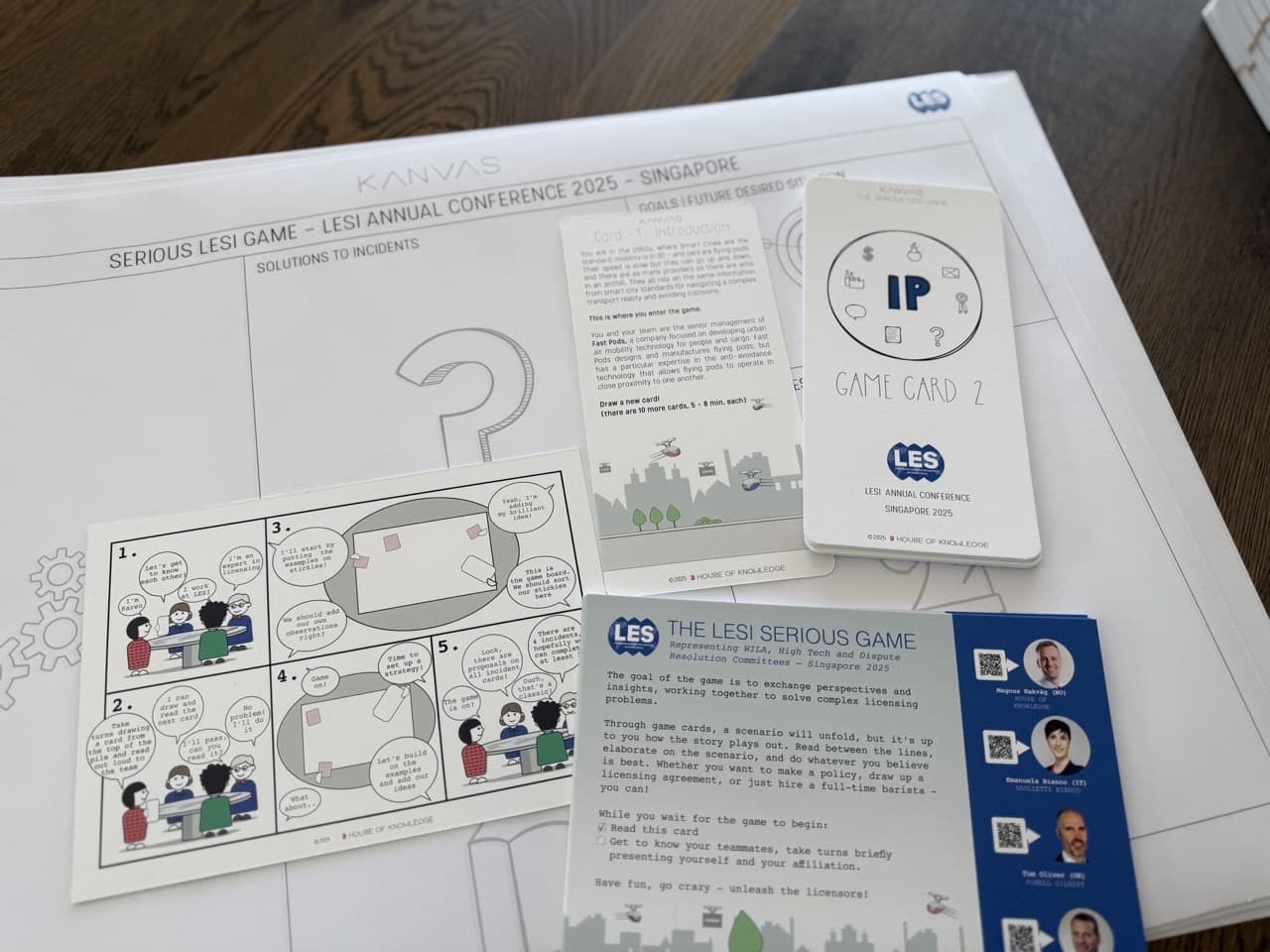
Serious LESI Game: Uncharted IP Waters
In this game, player groups are put in charge of a flying car company, sometime in the not-too-distant future - aiming to revolutionize the personal transport market. Players have to analyse the company and navigate the IP landscape as they implement a novel technology on their way to global success. Players are first tasked with mapping out the reality of the company, before they are met with a set of incidents that they must deal with - all relating to IP and known tech transfer hurdles. The game also adds a layer of social sustainability and inclusivity by introducing issues of gender equality in a male-dominated industry.
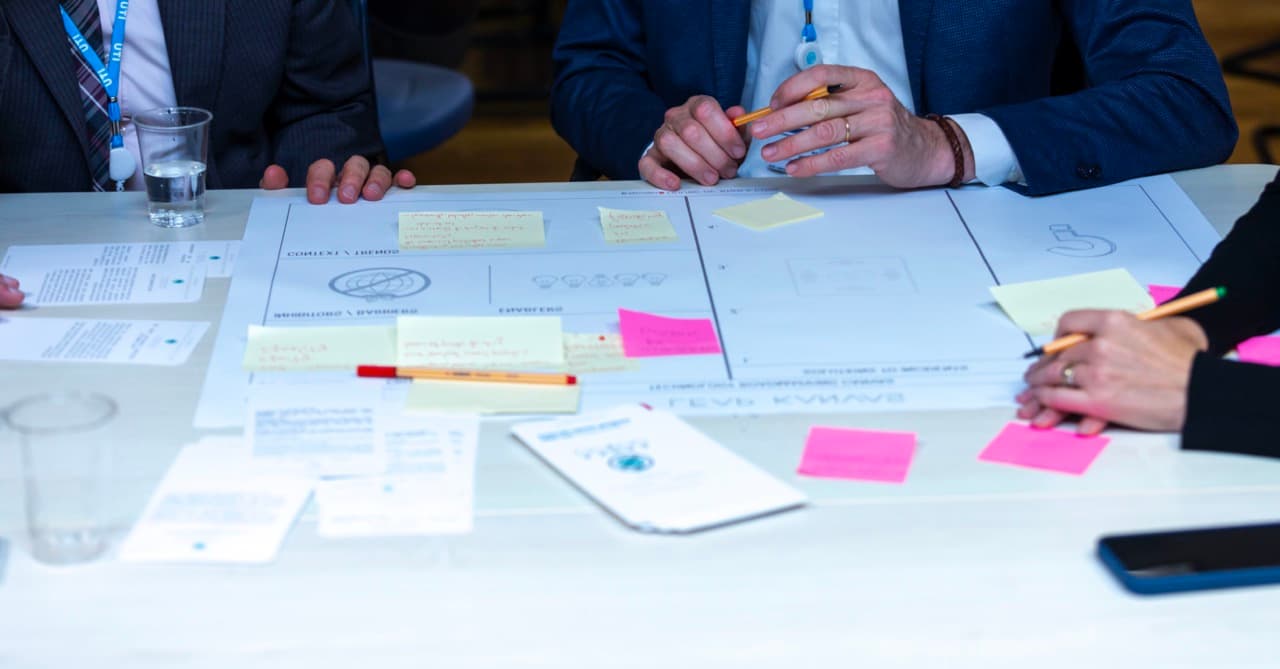
Serious Technology Roadmapping Game
This canvas-based game aims to facilitate exchange of experiences, perspectives, and practices for the purpose of creating a roadmap for climate resilience. The game presents a brief narrative surrounding the current situation of technology for climate resilience, before introducing megatrends that are being observed today (e.g., environmental degradation and growing urbanization), providing further contextualization. Then, incidents start occurring as part of the narrative, presented as predictions for what could happen in the next ~10 years. This puts their understanding to the test, making participants reflect on what they have set out in the previous parts of the game. Once participants have handled the incidents, they are tasked with concluding on the most critical challenges to address to meet climate goals and achieve climate resilience.
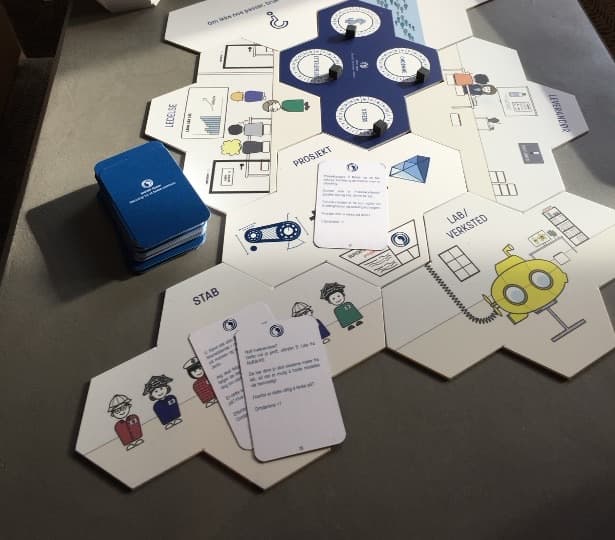
Common Grounds
This game helps cross-functional teams explore how culture shapes the organization and how to build and execute strategy across departments. Players collaborate to navigate typical challenges that emerge without being pinpointed to a specific place or department, such as unclear ownership of problems or misaligned priorities. Working together, groups assess where issues belong, who should take responsibility, and how solutions can be developed collectively. Throughout the game, players are asked to evaluate and reflect on the impact of challenges and solutions in light of key indicators like reputation, revenue, compliance, and stress levels. The process encourages participants to think beyond their own roles, recognize interdependencies, and contribute strategic input from diverse perspectives. In the end, players gain a stronger sense of shared ownership, deeper understanding of organizational dynamics, and practical ideas for shaping culture and strategy together.
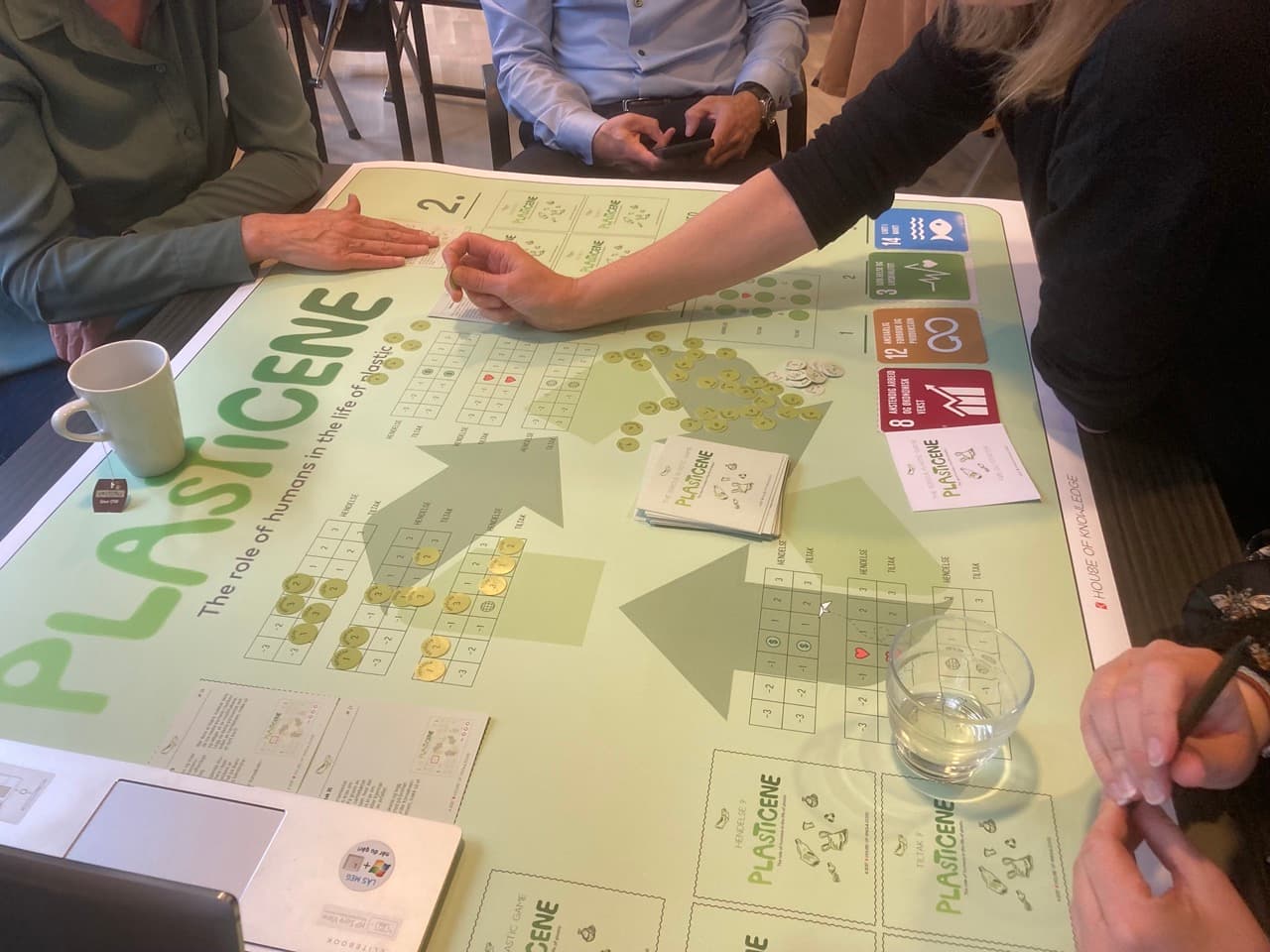
Plasticene
This game is about sustainable use of plastics and the role of humans in the life of plastic. The game presents information about the status of plastics use and misuse, before introducing dilemmas that players must reflect on in their groups and evaluate the economic, societal, and environmental impact of. The groups discuss and choose the solution they believe best solves the dilemma presented, as well as make an evaluation of the economic, societal, and environmental impact of the chosen solution.
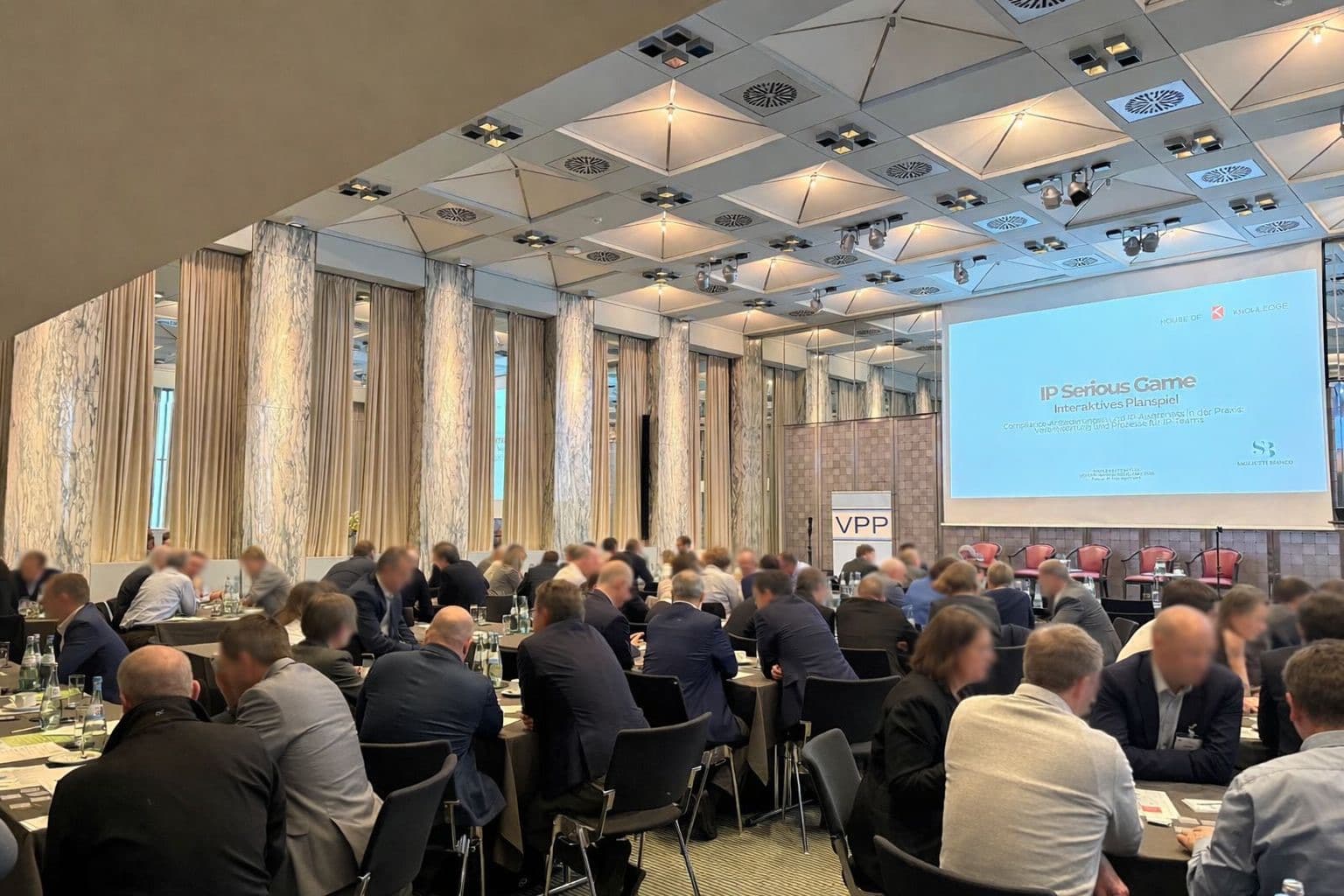
Serious IP-Department Game
This game simulates the setup and management of an IP department, guiding players through the processes, strategies, and decisions involved in aligning IP with business goals. Players work in small groups using a canvas to map objectives, assess risks, and define interdepartmental activities. Through realistic scenarios, players decide how to structure the department, respond to internal and external factors, and shape IP strategies. The game promotes the sharing of experience, practical problem-solving, and collective learning. By the end, participants will have built a complete IP management system for a fictional firm, gaining deeper insight into how IP departments operate and collaborate within broader business environments.
Other Games?
Do these types of games not fit what you had in mind? Or are you looking into the serious game approach, but don't know exactly what you need? No worries! We can accommodate your needs and help you figure out what would be a fruitful approach. Games can be completely offline, fully digital - or anything in between. Contact us to schedule a chat.